Features
Superior Materials: Crafted from US FDA-approved USP Class VI materials such as High-Density Polyethylene (HDPE), Low-Density Polyethylene (LDPE), and Polypropylene (PP). These materials deliver exceptional chemical resistance and thermal stability for a wide range of reagent storage needs.
Leakproof and Secure Caps: High-quality polypropylene caps ensure a reliable, leakproof seal, safeguarding your reagents from contamination and spillage.
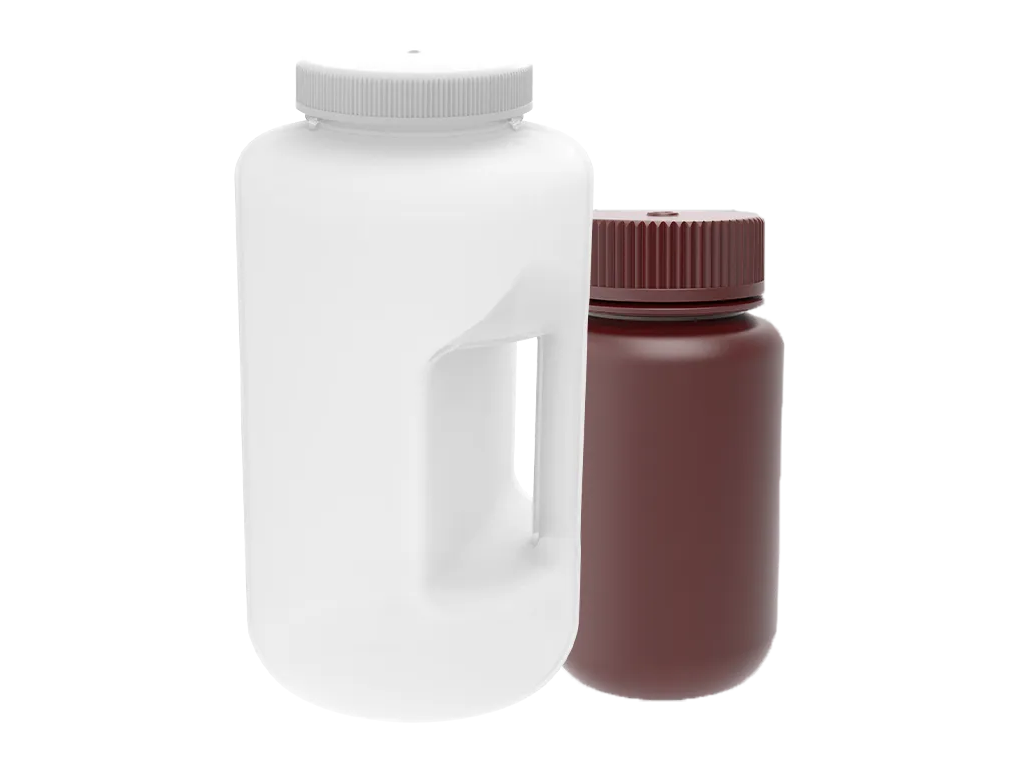
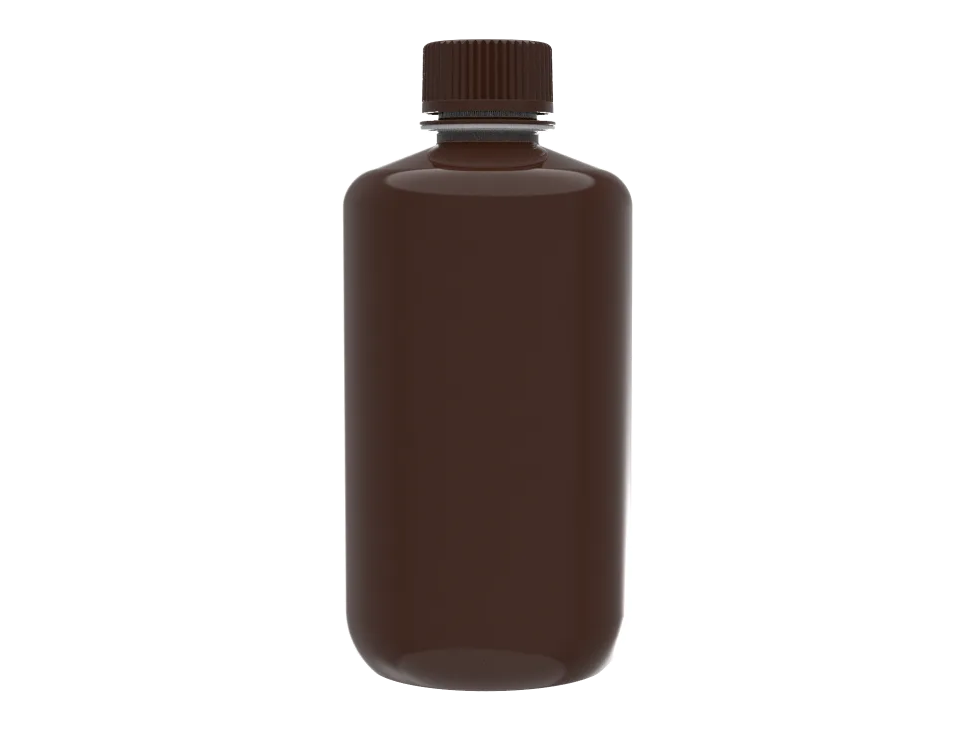
UV Protection with Color Options: Available in translucent options for visibility and amber variants to protect light-sensitive reagents from harmful UV exposure.
Thermal Stability: LDPE and HDPE bottles are freezer-safe, tolerating temperatures as low as -100°C and up to 120°C. PP bottles withstand heat up to 135°C, making them suitable for autoclaving.
Flexible Sizing for All Needs: Choose from a wide range of sizes to match your requirements:
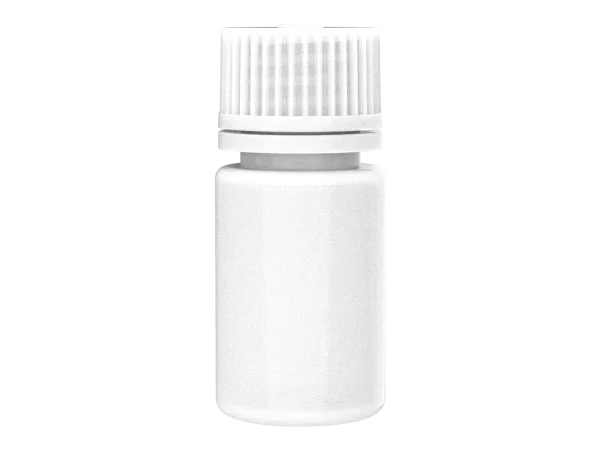
Narrow-mouth bottles: 4 mL, 8 mL, 15 mL, 30 mL, 60 mL, 125 mL, 250 mL, 500 mL, 1L, 2L and 4L sizes
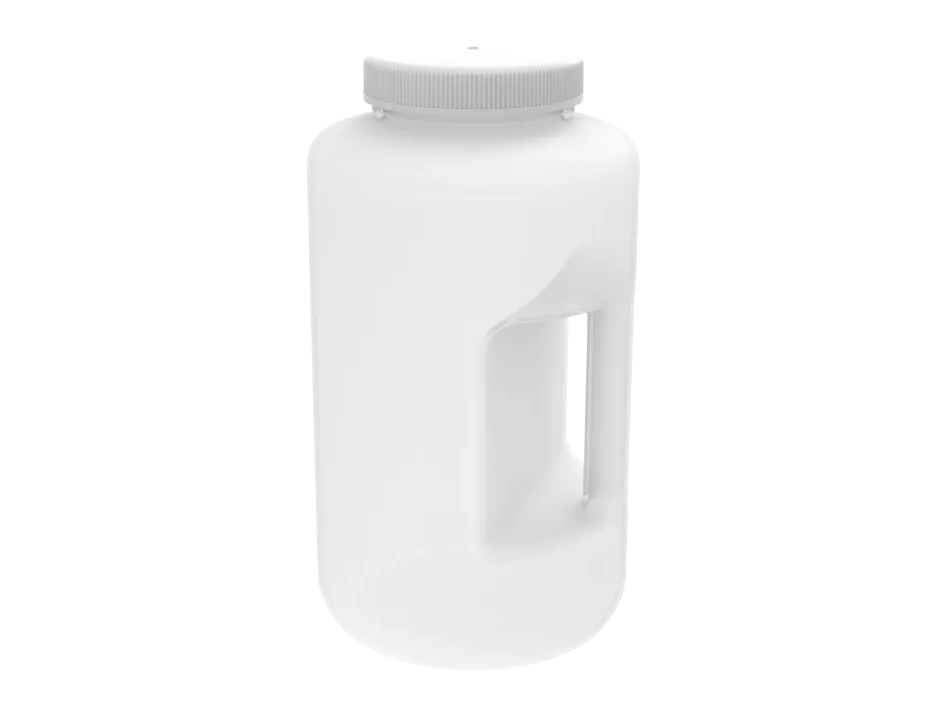
Wide-mouth bottles: 30 mL, 60 mL, 125 mL, 175 mL, 250 mL, 500 mL,1L, 2L and 4L sizes
Chemical Resistance You Can Trust: Ideal for both short-term and long-term storage of volatile chemicals, biological materials, and critical reagents, providing robust protection and integrity.
Precision Manufacturing: Produced in a Class 100K cleanroom environment, our reagent bottles maintain the highest levels of cleanliness, ensuring they are free from contaminants and suitable for sensitive and regulated environments.
Description
Benefits of AHN myBottle Reagent Bottles
Choosing the right storage bottle can directly affect laboratory workflow. AHN myBottle Reagent Bottles are designed for applications where material compatibility, temperature tolerance, and secure storage matter.
Bottle Reagent Bottles Key Benefits
Material options for every need
Choose from HDPE, LDPE, or PP depending on what chemicals or reagents you’re storing.
Built for a wide temperature range
LDPE and HDPE bottles handle temperatures from -100°C to 120°C, while PP bottles can go even higher, up to 135°C.
Protection from light
Need to store light-sensitive materials? Amber bottles help shield contents from UV exposure.
Leakproof, reliable closures
Polypropylene caps are designed to keep things securely sealed, so you don’t have to worry about leaks.
Formats that fit your workflow
Narrow-mouth and wide-mouth options make it easy to fill, store, and dispense as needed.
A size for every job
From compact 4 mL bottles to large 4 L containers, there’s a size to match your application.
Manufactured with cleanliness in mind
Every bottle is produced in a Class 100K cleanroom, meeting strict cleanliness standards.
Trusted for sensitive applications
Made with USP Class VI and US FDA-approved raw materials, these bottles are well suited for laboratory, pharmaceutical, and biotechnology use.
Why Choose AHN myBottle Reagent Bottles?
Not every laboratory stores the same materials. So, one bottle configuration cannot suit every workflow.
AHN myBottle offers options based on material, temperature, capacity, mouth design, and light protection. This makes selection easier for laboratories handling different storage requirements.
Pharmaceutical Industry
Pharmaceutical laboratories need dependable storage for reagents, buffers, and other laboratory materials. These bottles provide chemical resistance, secure sealing, and controlled manufacturing conditions.
Biotechnology and Life Sciences
Biotechnology workflows can involve sensitive biological materials and reagents. The available bottle materials, sizes, and closure options support varied laboratory storage needs.
Research and Development Laboratories
R&D environments often work with different chemicals and formulations. Multiple capacities and narrow-mouth or wide-mouth designs provide greater flexibility across experiments.
Clinical and Diagnostic Laboratories
Consistent storage conditions are important when handling laboratory reagents and sensitive materials. Amber variants can support storage requirements where UV protection is needed.
Chemical Laboratories
Chemical resistance is a key consideration when selecting storage containers. HDPE, LDPE, and PP options provide material choices for different chemical storage applications.
Frequently Asked Questions
1. How should laboratories select between HDPE, LDPE, and PP bottles?
Selection should consider the required temperature range and application. HDPE and LDPE support temperatures from -100°C to 120°C. PP bottles support temperatures from 0°C to 135°C and are suitable for autoclaving.
2. When should a laboratory use amber reagent bottles?
Amber bottles are useful when stored materials require protection from UV exposure. They provide an alternative to translucent bottles when light sensitivity is a consideration.
3. What bottle size is suitable for laboratory reagent storage?
AHN myBottle is available from 4 mL to 4 L. The appropriate capacity depends on the required storage volume and workflow. Narrow-mouth and wide-mouth options provide additional flexibility.
4. Can these bottles be used for pharma and biotech work?
Yes, they’re built for it. They’re made in a Class 100K cleanroom, using US FDA-approved, USP Class VI materials — so they’re a safe fit even for sensitive lab environments.
5. What makes them good for long-term chemical storage?
It comes down to two things: chemically resistant bottle material and caps that actually seal properly. Together, they hold up well over time. That said, it’s still worth matching the bottle material to your specific chemical and storage conditions rather than assuming one size fits all.
6. Are PP reagent bottles autoclave-safe?
Yes. They can handle temperatures up to 135°C, so they’re fine to autoclave whenever heat sterilization is part of your workflow.