1. Leak Testing of Battery Cells
Lithium-ion battery cells must be hermetically sealed to prevent the ingress of air and moisture, which can lead to chemical reactions, degradation, and safety hazards (e.g., thermal runaway or explosions).
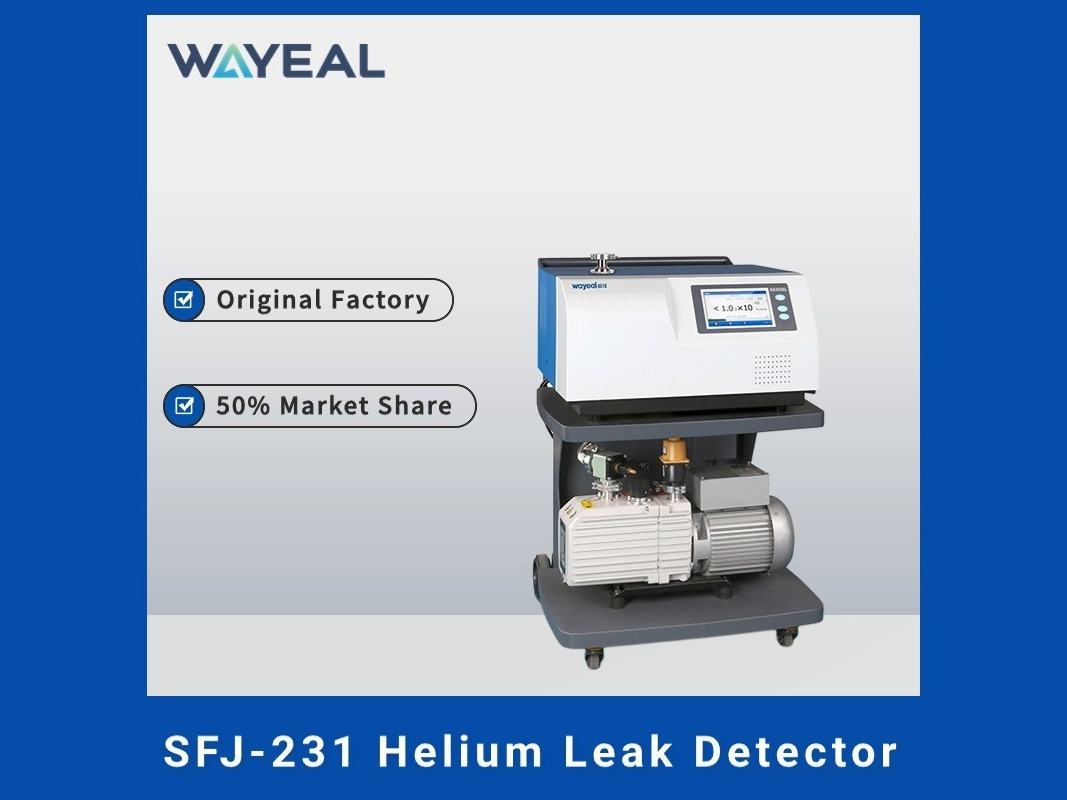
Helium leak detectors are used during the manufacturing process to test the seal integrity of battery cells. The cells are pressurized with helium, and any escaping helium is detected by the mass spectrometer, identifying leaks with high precision.
2. Leak Testing of Battery Packs and Modules
A battery pack consists of multiple cells enclosed in a protective casing. The casing must be leak-tight to protect the cells from environmental exposure (e.g., water or dust ingress).
Helium leak detection ensures the enclosure's integrity by testing for leaks in the seams, joints, or connectors of the pack.
3. Electrolyte Filling Systems
During the manufacturing process, lithium-ion battery cells are filled with a liquid electrolyte that facilitates ion transport. Leak detection is crucial during and after this step to ensure that the filled electrolyte does not leak out, which would compromise performance and safety.
Helium leak detectors are used to confirm the leak-tightness of the cell after electrolyte filling and sealing.